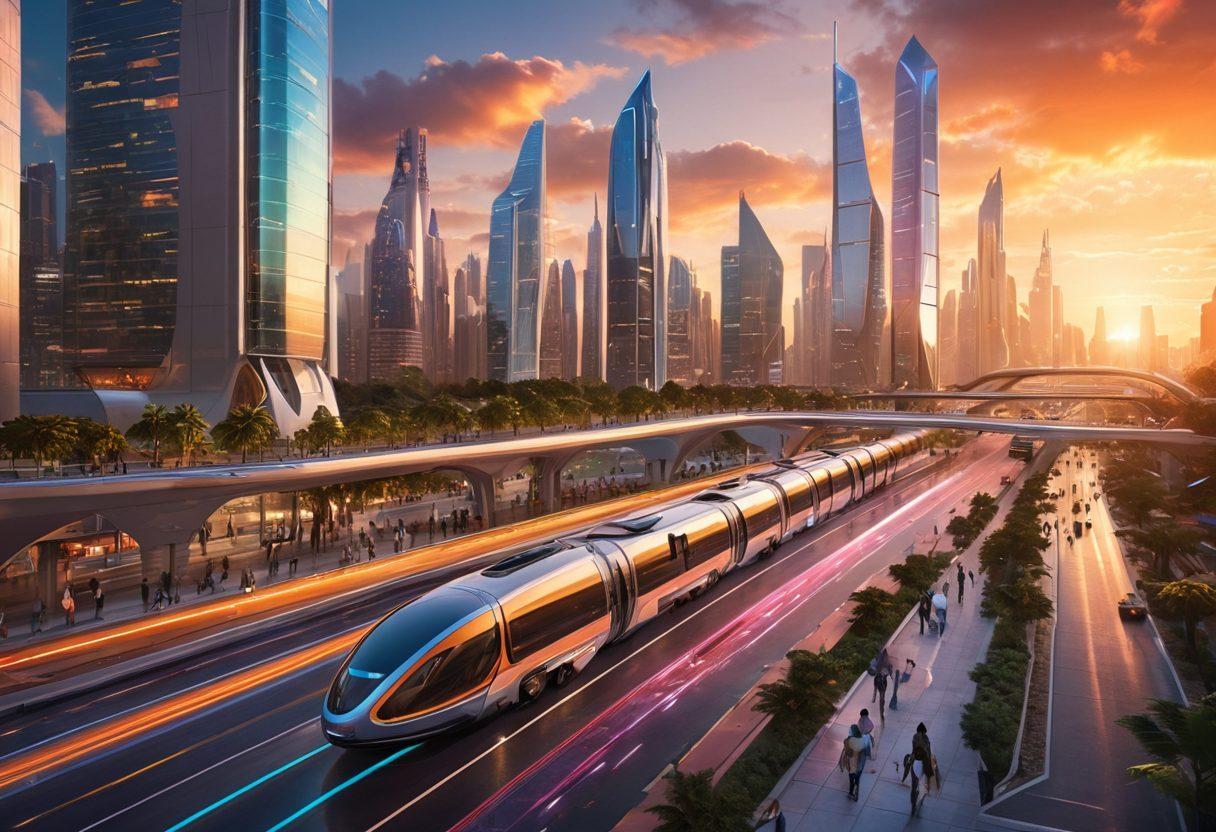
Navigating the Future: Innovative Solutions for Transportation Networks and Road Infrastructure
In an era where rapid urbanization and an increasing population challenge our existing transportation networks, the call for innovative solutions becomes ever more urgent. Imagine a bustling city where the streets are not just thoroughfares for vehicles but vibrant pathways that enhance the urban experience. As we embark on this journey of reimagining urban mobility, the revolutionizing of road design and infrastructure takes center stage. We face pivotal questions: How can we reshape our highways, roadways, and streets to cater to all modes of transportation, ensuring driving safety and promoting pedestrian and bicycle routes?
The future of urban infrastructure lies in a holistic approach to transportation engineering that integrates technology, sustainability, and community needs. The conventional methods of road design that prioritize automobiles alone are outdated. Instead, envision a system where every layer of infrastructure development—from pavement materials to traffic management systems—works synchronously to optimize traffic flow and enhance connectivity. This vision not only aims at improving commuting experiences but also at fostering an environment where public transportation thrives alongside pedestrian and cycling options. As urban planners, engineers, and city officials collaborate, each infrastructure project represents a commitment to creating safer, more efficient mobility solutions.
Let's take a stroll through a transformed cityscape. Picture yourself walking along newly designed sidewalks that are wider, equipped with greenery and dedicated bike lanes flanking both sides. You choose to hop on a scooter for the last leg of your journey; a smooth transition to public transportation is seamless, facilitated by intelligently designed roadways that prioritize multi-modal access. Our thoroughfares are nurturing spaces rather than just conduits for vehicles. How would this change your commute? Wouldn’t it be refreshing to have more options and reduced traffic congestion?
At the heart of this transformation lies effective regional planning. It’s not just about the roads themselves but also how they are interconnected within the broader transportation networks. Improved road maintenance ensures that our interstate highways remain reliable and safe, while innovations in traffic management allow us to respond dynamically to congestion, minimizing delays for all users. This interconnectedness fosters a community spirit and encourages local businesses along revitalized streets, creating a ripple effect of economic growth and improved quality of life.
In conclusion, as we embrace the challenges of modern urban mobility, we owe it to ourselves and future generations to think creatively and act decisively. The roadways we design today will dictate the urban landscapes of tomorrow. Organization of spaces for driving safety, pedestrian safety, and efficient public transportation is crucial. Let's empower ourselves to advocate for transportation networks that genuinely cater to the diverse needs of the communities they serve. By working together, we can pave the way for a more connected, sustainable, and inclusive urban future.
Enhancing Connectivity: The Future of Traffic Management and Public Transportation
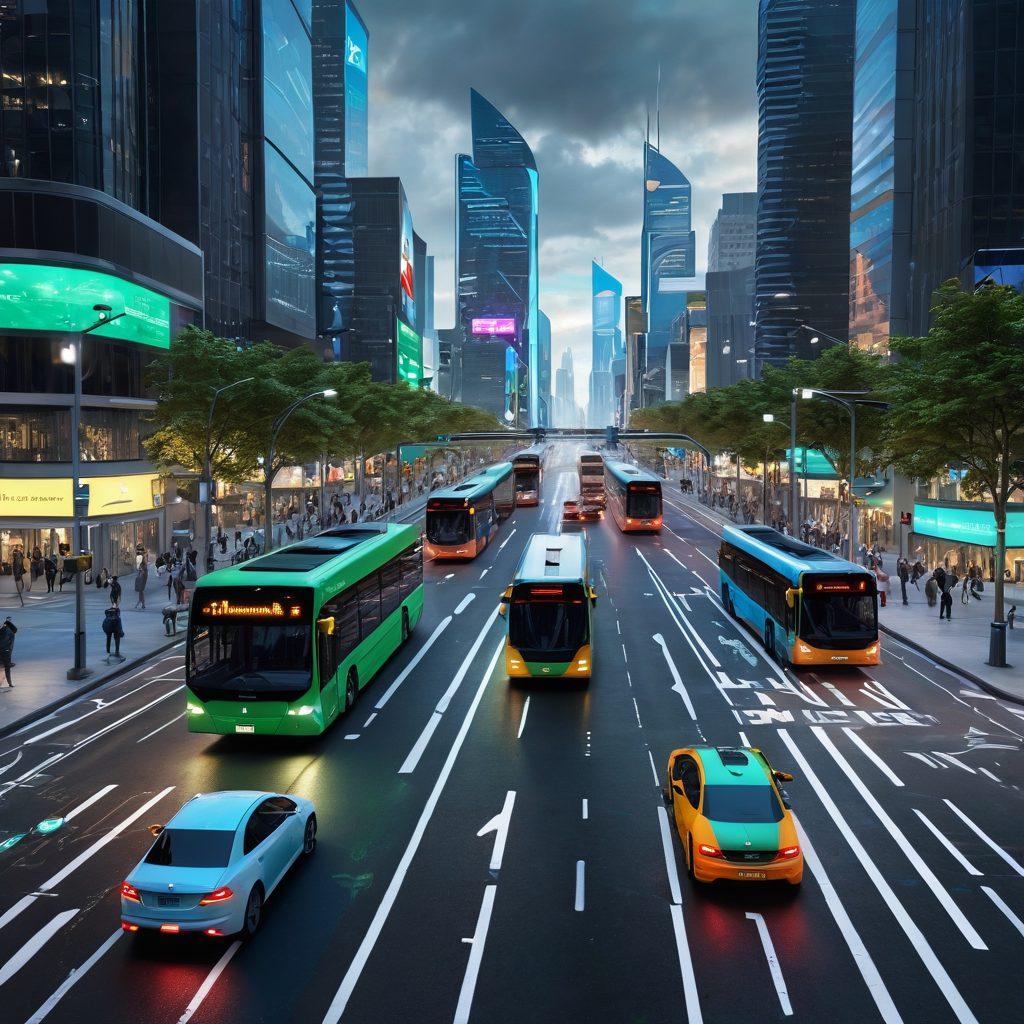
In an era where connectivity drives growth and innovation, the future of traffic management and public transportation is more relevant than ever. As urban populations swell and cities expand, the need for efficient transportation networks becomes crucial. Have you ever found yourself stuck in traffic on a busy roadway, questioning why our roads can feel more like obstacles than pathways to progress? Let's explore how innovative solutions in traffic management and urban infrastructure can enhance the mobility solutions we rely on daily.
Picture this: a bustling city where commuting isn’t a headache but a seamless experience. Imagine a world where traffic flows effortlessly along streets and highways, supported by smart traffic management systems that respond to real-time conditions. Technology empowers us to create a future where driving safety is prioritized, paving the way for not just cars but also bicycle routes and pedestrian pathways that integrate into the urban fabric. Is this the reality we are heading towards?
The evolution of road design begins with innovative infrastructure development that accommodates emerging transportation needs. From the layout of interstate highways to the construction of additional public transportation options, every decision plays a key role in enhancing connectivity. But what does this mean for local communities? As regional planning evolves, the emphasis shifts to developing transportation networks that serve not only the cities' heart but also its veins, reaching into neighborhoods and suburbs.
Consider the impact of improved road maintenance and effective traffic flow management. By utilizing data analytics, cities can predict peak commute times and adjust traffic signals accordingly, minimizing congestion and maximizing efficiency. Imagine if all thoroughfares could communicate, easing the flow for every driver, cyclist, and pedestrian. The innovative infrastructure projects that prioritize such advancements could reshape your daily commute—from queuing at a stoplight to gliding smoothly through the city.
Ultimately, engaging with the future of traffic management and public transportation is about more than just moving vehicles. It’s about reimagining our roadways as safe, inclusive spaces that cater to all forms of mobility. Whether through enhanced pavement technology, dedicated bicycle routes, or improved pedestrian safety measures, the goal is to create a connected ecosystem that thrives on collaboration. The future of our transportation networks isn’t just on the horizon; it’s here, and together, we can build the infrastructure that makes seamless commuting a reality for everyone.
Building Safer Pathways: Innovative Solutions for Diverse Transportation Networks
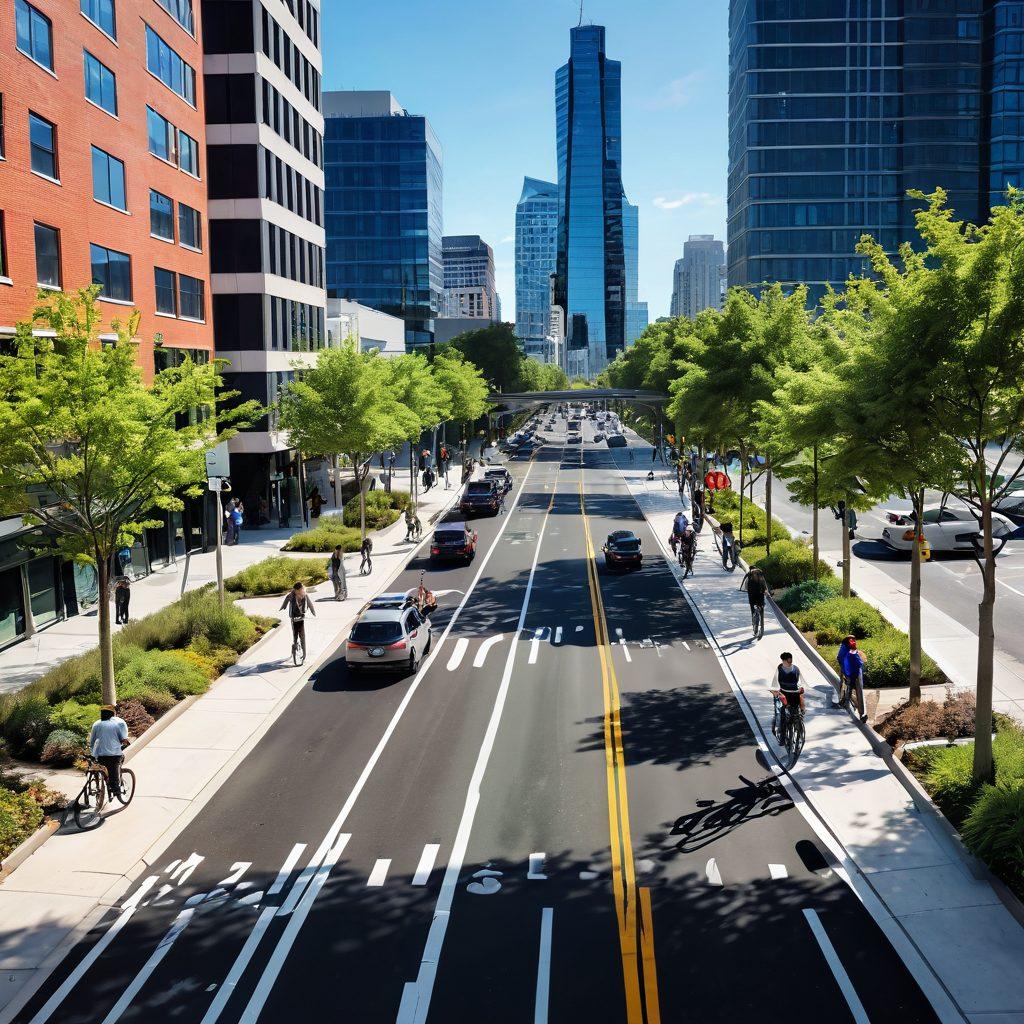
Imagine a bustling city filled with the sounds of honking horns, the chatter of pedestrians, and the hum of bicycles gliding through designated routes. Welcome to a world where innovative solutions shape our transportation networks, making them safer, more efficient, and accessible for everyone. The infrastructure that supports our daily commutes plays a vital role not only in our individual lives but in the sustainability of our urban and regional environments. It’s time we dive into the future of our roadways — exploring how we can build safer pathways and enhance our transportation systems.
At the heart of effective transportation lies road design and traffic management, which are crucial for directing vehicles smoothly through streets and highways. With urban infrastructure constantly evolving, how can we keep pace with the increasing demands of commuting? Well, the answer lies in integrating mobility solutions that prioritize both driving safety and pedestrian safety. These include well-designed bicycle routes and clearly marked pedestrian areas that promote safe interactions between different types of users on our thoroughfares. Through thoughtful infrastructure development, we can create environments where everyone feels secure — whether they’re walking, biking, or driving.
But let’s get real for a moment; when was the last time you felt relaxed during your morning commute? Traffic flow often seems more like a game of musical chairs than a straightforward route from point A to point B. As innovative traffic management systems emerge, harnessing technology like smart traffic signals can significantly reduce congestion on busy interstate highways and local roads alike. What if we could use real-time data to adjust traffic patterns dynamically? Imagine getting to work not in frustration but in peace because of smarter roadways that respond to the ebb and flow of daily life.
As we navigate this journey of infrastructure projects, we must ask ourselves: how does connectivity influence our choices and lifestyles? For people relying on public transportation, well-planned pathways can make all the difference. Accessible stops, wait times transparent through technology, and well-maintained pavements create a seamless connection from homes to bus stations and train tracks. We’ve learned that investing in public transportation doesn’t just enhance mobility solutions; it fosters a sense of community as people come together to share the roads, thus invigorating the very essence of urban living.
Ultimately, every decision about our transportation networks holds the power to impact our quality of life. As residents, we must advocate for essential road maintenance and voice our needs in regional planning meetings, contributing to a brighter future. By fostering a community dialogue about transportation engineering, we create a shared vision for a city where safe pathways define our landscapes. Let’s take action today and push for innovative designs that resonate with the hopes of our streets, providing public spaces that enrich our lives for generations to come.